Osteoporosis is a common yet often undiagnosed condition that affects millions of people worldwide. This disease causes bones to become weak and brittle, making them more susceptible to fractures. While osteoporosis often shows no symptoms until a fracture occurs, early detection and prevention can significantly reduce the risk of serious bone injuries.
What Is Osteoporosis?
Osteoporosis is a condition where the bones lose density and become fragile due to an imbalance in bone formation and resorption. It primarily affects older adults, especially women after menopause, but can also occur in men and younger individuals due to various risk factors.
Bone health is maintained through a delicate balance between bone resorption (breakdown) and bone formation. When this balance is disrupted, bone density decreases, making the bones weaker and more prone to breaking.
Key benefits of maintaining healthy bones include:
- Strong structural support for the body.
- Protection against fractures and bone-related injuries.
- Improved mobility and independence in daily life.
How Osteoporosis Affects the Body
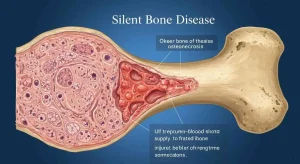
Osteoporosis doesn’t show clear symptoms in its early stages, which is why it is often referred to as a “silent disease.” It is only when a bone breaks—typically in the hip, spine, or wrist—that the condition is diagnosed. However, osteoporosis can also lead to a condition called “spinal compression fractures,” where the bones in the spine become weakened and collapse, causing back pain, loss of height, and a stooped posture.
The role of osteoporosis treatment includes:
- Preventing bone fractures by strengthening bones.
- Slowing down the progression of bone density loss.
- Improving mobility and quality of life through pain management and rehabilitation.
Risk Factors for Osteoporosis
While osteoporosis can affect anyone, several risk factors increase the likelihood of developing the disease:
- Age: The risk increases with age, particularly for women after menopause.
- Gender: Women are more likely to develop osteoporosis, especially after menopause due to lower estrogen levels.
- Family History: Having a parent or sibling with osteoporosis increases the likelihood of developing the condition.
- Dietary Factors: A diet low in calcium and vitamin D, which are essential for bone health, can contribute to osteoporosis.
- Physical Activity: Sedentary lifestyles with little weight-bearing exercise increase the risk.
- Medical Conditions: Conditions like rheumatoid arthritis, diabetes, or hyperthyroidism, and certain medications, such as steroids, can lead to bone loss.
Symptoms and Diagnosis
The main symptom of osteoporosis is bone fractures that happen easily, often from minimal trauma. Common signs of the condition include:
- Back pain from fractured or collapsed vertebrae.
- Loss of height over time.
- A stooped posture or a hunchback appearance.
- Fractures from minor falls or bumps.
Diagnosis is typically confirmed through bone mineral density (BMD) tests, which assess the strength of your bones. X-rays and other imaging tests may also be used to detect fractures or signs of bone weakness.
Treatment Options for Osteoporosis
Medications
The treatment for osteoporosis aims to slow or stop bone loss and promote bone formation. Common medications include:
- Bisphosphonates (e.g., alendronate, risedronate): These help prevent bone breakdown.
- Selective estrogen receptor modulators (SERMs) (e.g., raloxifene): These mimic estrogen to help maintain bone density.
- Hormone Replacement Therapy (HRT): Primarily for postmenopausal women, HRT helps maintain bone mass.
- Denosumab: A monoclonal antibody used to reduce bone resorption.
- Teriparatide: A synthetic form of parathyroid hormone that stimulates bone growth.
Lifestyle Changes
- Dietary Adjustments: Ensure adequate intake of calcium and vitamin D, which are essential for bone health.
- Weight-Bearing Exercises: Activities such as walking, jogging, and strength training help increase bone density.
- Fall Prevention: Taking steps to prevent falls, like ensuring proper lighting, removing trip hazards, and wearing supportive shoes.
Importance of Early Detection
Conclusion
Osteoporosis is a common but often overlooked condition that can lead to severe consequences, including fractures and diminished quality of life. Early detection, lifestyle modifications, and the right treatment plan are essential in managing and preventing bone loss. If you or a loved one is at risk, talk to your healthcare provider about bone health and ways to prevent osteoporosis.
Sources: