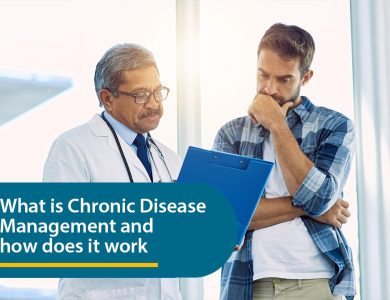
When we think about healthcare, we usually picture a doctor treating a single patient inside a clinical exam room. Medical professionals do incredible work repairing injuries and treating active illnesses. However, another massive system works tirelessly behind the scenes to keep that patient from getting sick in the first place. This invisible shield is known as public health.
Public health focuses on protecting and improving the health of entire populations. Instead of treating diseases after they happen, public health professionals work to prevent them from occurring at all. They monitor community health trends, research dangerous diseases, and implement massive safety policies. When public health functions correctly, you rarely even notice it working.
Clean drinking water, safe workplace regulations, and routine childhood immunizations all exist because of dedicated public health initiatives. This systemic approach builds a sturdy foundation for community well-being. Throughout this guide, we will explore how disease prevention, health education, and social advocacy work together to create a healthier, more equitable world for everyone.
The Core Elements of Disease Prevention
Stopping a disease before it spreads saves countless lives and protects local economies. Treating massive disease outbreaks drains hospital resources and forces entire communities into lockdown. Public health officials use specific, highly coordinated strategies to keep dangerous pathogens completely under control.
Tracking and Stopping Outbreaks
Public health relies heavily on continuous data collection. Epidemiologists act as disease detectives, monitoring local hospitals and clinics for unusual spikes in illness. If a specific neighborhood suddenly reports twenty cases of a rare bacterial infection, these professionals immediately jump into action.
They trace the infection back to its original source to prevent further spread. They might discover that a local restaurant served contaminated food or that a community swimming pool lacks proper sanitation. By identifying and eliminating the source quickly, they protect thousands of other people from experiencing the exact same illness.
The Power of Vaccination Programs
Vaccination programs stand as one of the greatest achievements in human history. Before the invention of vaccines, highly contagious diseases like polio and measles routinely devastated entire communities. Public health departments coordinate massive, community-wide immunization schedules to build strong collective immunity.
When a large majority of a community receives a vaccine, the disease cannot find enough vulnerable hosts to spread. This concept, known as herd immunity, actively protects the most vulnerable members of society. Newborn babies, elderly residents, and individuals with compromised immune systems completely rely on this collective protection to survive.
Empowering Communities Through Health Education
You cannot make healthy decisions if you lack access to accurate medical information. Public health initiatives focus heavily on translating complex medical science into easily understandable community guidance. Education empowers individuals to take direct control of their own daily well-being.
Making Informed Daily Choices
Health education campaigns target the specific behaviors that lead to chronic disease. Public health departments run initiatives to reduce tobacco use, encourage daily physical activity, and promote balanced nutrition. These campaigns use billboards, television commercials, and social media to spread clear, actionable advice.
For example, public health organizations spent decades educating the public about the severe dangers of smoking. They pushed for warning labels on cigarette packages and created powerful anti-smoking advertisements. These relentless educational efforts successfully drove smoking rates down to historic lows, preventing millions of lung cancer cases.
Combating Dangerous Misinformation
We live in an era where medical misinformation spreads rapidly across social media platforms. False claims about unproven treatments and dangerous diets confuse the public and threaten community safety. Public health officials act as a vital source of truth amidst this digital noise.
They work diligently to correct false narratives by providing transparent, evidence-based information. Health departments partner with local community leaders and schools to ensure accurate messages reach everyone. When communities have access to the truth, they make much safer choices for their families.
Addressing the Social Determinants of Health
Medical care only accounts for a small fraction of your overall well-being. Your physical environment, your income, and your education level play a much larger role in dictating your long-term health. Public health professionals call these external factors the social determinants of health.
How Your Environment Impacts Your Health
Your zip code often predicts your life expectancy more accurately than your genetic code. People living in neighborhoods with high air pollution suffer from significantly higher rates of asthma and cardiovascular disease. Similarly, communities without safe sidewalks or well-lit parks experience higher rates of obesity because residents cannot exercise safely outdoors.
Many low-income neighborhoods also qualify as food deserts. These areas lack fully stocked grocery stores, forcing residents to rely heavily on highly processed, unhealthy food from local convenience stores. Public health advocates fight to bring farmers’ markets and fresh produce directly into these underserved communities.
Creating Equitable Access to Care
Public health initiatives strive to eliminate the unfair barriers that prevent people from accessing medical care. Lack of reliable transportation, expensive medical insurance, and language barriers frequently keep vulnerable populations away from doctors. These systemic hurdles allow easily treatable conditions to become fatal.
Health departments frequently launch mobile health clinics to bring basic medical screenings directly into isolated neighborhoods. They also provide translation services and help uninsured families navigate complex healthcare enrollment processes. By directly addressing these social determinants, public health creates a much more equitable society.
Global Health Outcomes and Collaborative Efforts
Viruses and bacteria do not respect international borders. An infectious disease can travel from a remote village to a massive, bustling metropolis in a matter of hours. Therefore, protecting a local community requires a highly coordinated, global perspective.
Success Stories from Around the World
When the global community unites behind a shared public health goal, the results are truly miraculous. In 1980, a massive global vaccination effort officially eradicated smallpox from the face of the earth. This incredible achievement proved that organized, worldwide collaboration can completely destroy a deadly pathogen.
More recently, international public health initiatives have drastically reduced global rates of malaria and HIV transmission. Organizations distribute millions of treated mosquito nets and provide life-saving antiviral medications to developing nations. These combined efforts save millions of lives every single year.
The Need for Unified Collaboration
A successful public health system requires constant collaboration between multiple different groups. Governments must provide adequate funding and enact strict safety regulations. Non-profit organizations must deliver essential resources directly to the communities that need them the most.
Private businesses also play a crucial role by providing safe working conditions and offering comprehensive health benefits to their employees. Finally, individual citizens must participate by following local health guidelines and staying up to date on their vaccinations. When all these groups work together seamlessly, the entire community thrives.
Support Your Local Public Health Efforts
Public health remains the invisible foundation that keeps our society functioning safely. It prevents massive disease outbreaks, educates our children, and fights for vulnerable populations. By addressing the root causes of illness and promoting equitable access to resources, public health professionals build stronger, more resilient communities.
You can actively support these vital efforts right in your own neighborhood. Stay informed about local health guidelines, participate in community wellness programs, and advocate for policies that protect your local environment. When we all prioritize public health, we take a massive step toward creating a healthier, much more equitable world for future generations.